A disagreement between Korea Electric Power Corporation (KEPCO) and its fully owned subsidiary, Korea Hydro & Nuclear Power (KHNP), regarding extra expenses for constructing the Barakah nuclear power plant in the UAE has escalated to international arbitration in London. Despite failing to agree on approximately $1 billion in cost modifications, both parties continue their debate publicly, drawing scrutiny as this conflict moves beyond national borders.
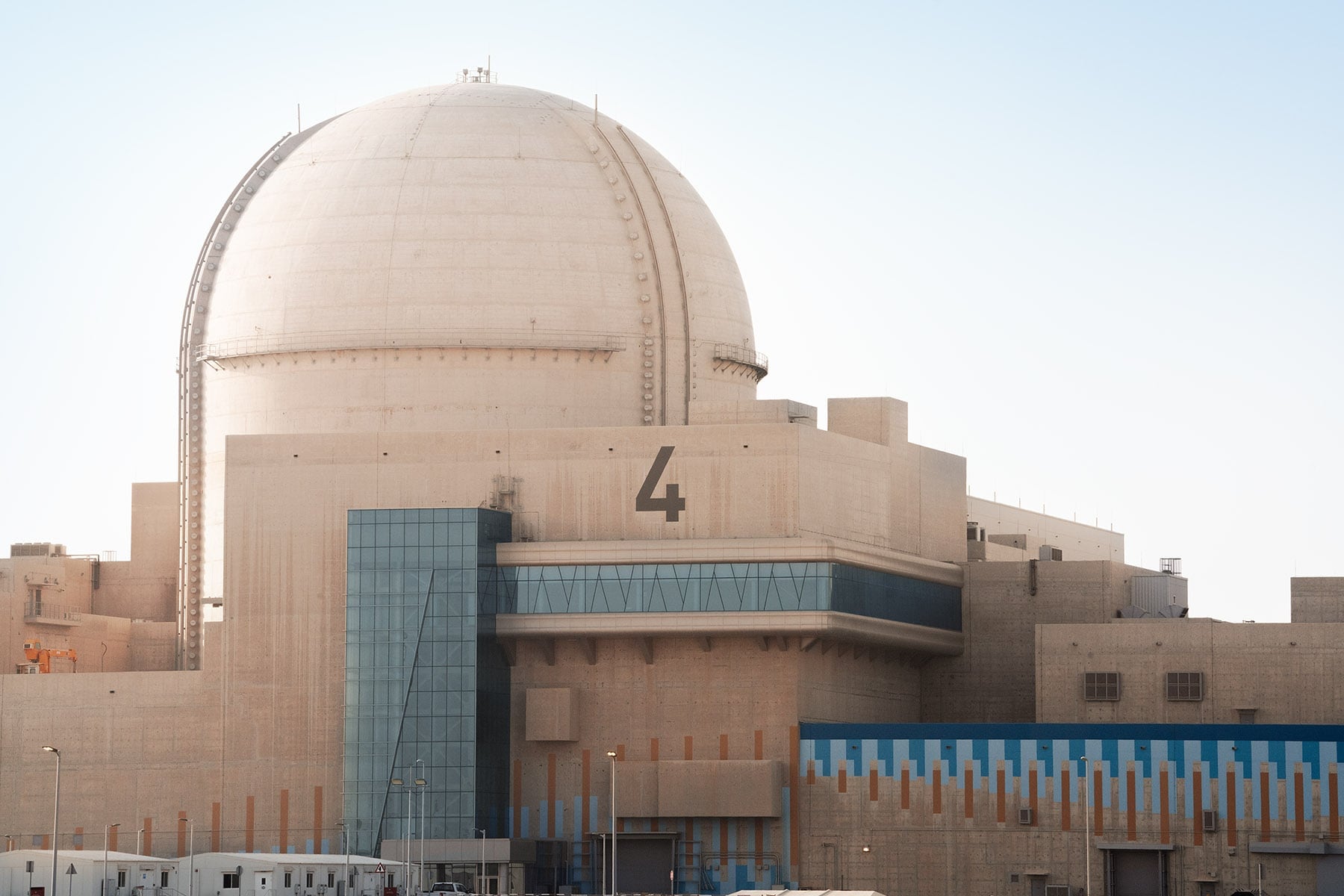
KHNP announced on May 7 that they have initiated arbitration proceedings through the London Court of International Arbitration (LCIA). This move aims to resolve outstanding payment issues related to construction services provided to KEPCO. The dispute originated from a $16 billion ($20 trillion won) deal secured in 2009 by "Team Korea," spearheaded by KEPCO, intended for constructing the Barakah nuclear plant. After extensive discussions over several years, both parties could not reach an agreement regarding who should bear the extra expenses involved. Consequently, KHNP opted for international arbitration under British legal framework as stipulated in their initial contractual terms.
The United Arab Emirates' nuclear initiative was organized such that KEPCO entered into the primary agreement with ENEC, which serves as the project owner, followed by delegating tasks to KHNP along with various other South Korean firms. During the course of building, total expenses surpassed what had been initially agreed upon, leading KHNP to request compensation from KEPCO.
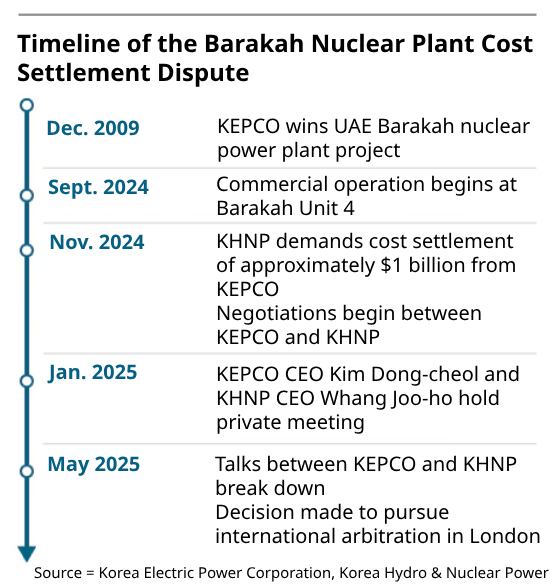
KHNP, tasked with overseeing the launch and management of all four Barakah reactors, initiated formal requests for extra funding in November of the previous year. The firm justified these demands by pointing out increased expenses linked to both the global health crisis caused by the coronavirus and the conflict in Ukraine, suggesting that the initial agreed sum was now inadequate. Although KHNP has been seeking yearly financial modifications since 2020, they officially escalated this matter once Unit 4 commenced commercial activities in September 2024, marking the conclusion phase of the venture. Sources within the industry approximate the contested figure to be approximately $1 billion.
KEPCO has disputed KHNP’s assertions, maintaining that any extra payments would only be feasible after receiving more money from their client in the UAE. In contrast, KHNP has cautioned that not collecting the outstanding amount might lead to potential breaches of fiduciary responsibility under legal scrutiny. Overwhelmed with debts exceeding 200 trillion won, KEPCO insists that they cannot resolve this expense with KHNP until they secure additional payments from ENEC.
Although the leaders of both organizations had a seemingly productive meeting in late January, tensions rose once more in February. This occurred after KEPCO CEO Kim Dong-cheol stated before the National Assembly that he was unable to agree with KHNP’s conditions. His remarks intensified the conflict, bringing the talks to a standstill.
Industry watchers indicate that this situation has highlighted deep-seated structural tensions within South Korea’s energy sector, which have accumulated since the 2001 reforms divided KEPCO into various generation entities, such as KHNP. Although KHNP operates under formal ownership by KEPCO at 100%, conflicts persist regarding control over nuclear export endeavors; both firms assert their primacy in these matters. When South Korea clinched the Barakah contract back in 2009, it was primarily driven forward by KEPCO. However,KHNP, bolstered by operational expertise and technological proficiency gained through managing reactors, gradually narrowed the disparity, heightening competition between them.
Legal specialists likewise highlight the substantial expense associated with international arbitration. It is reported that KEPCO has allocated roughly $14 million (about 20 billion won) for legal fees related to their representation. Considering that each side will likely engage different law firms, the combined legal expenses might reach into several hundred trillion won.
Comments
Post a Comment