The curator for the 2026 Venice Art Biennale, Koyo Kouoh, passed away at the age of 58 as announced by her affiliated institution based in South Africa via an Instagram post on Saturday.
The Zeitz Museum of Contemporary Art Africa in Cape Town in South Africa confirmed the news overnight but gave no cause. The Biennale said it was "deeply saddened and dismayed" to learn of her death.
Kouoh was the first African woman asked to helm the Venice Art Biennale. Born in Cameroon in 1967, she was asked to curate the 2026 edition of the Biennale in December. A leading figure in promoting Pan-Africanism throughout the art world, Kouoh had been executive director and chief curator at Zeitz since 2019.
Appointed in December 2024 by the board of directors of La Biennale, Kouoh worked "with passion, intellectual rigor and vision on the conception and development of the Biennale Arte 2026," the Venice arts institution said.
The presentation of the exhibition's title and theme was due to take place in Venice on May 20.
Kouoh also increased her reputation by curating the pioneering 2022 exhibition "When We See Us: A Century of Black Figuration in Painting." The show's title was inspired by the 2019 Netflix miniseries When They See Us by African-American director Ava DuVernay , which centers around the perception of Black youth as potential delinquents and thereby viewed as a menace.
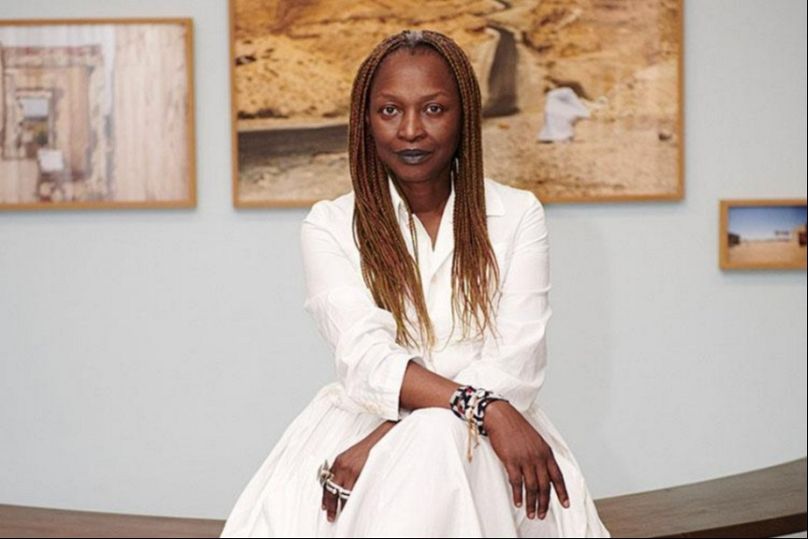
The Biennale stated, "Her departure creates a significant gap within the realm of contemporary art and among the global community of artists, curators, and academics fortunate enough to have known and revered her exceptional dedication both as a person and intellect."
The statement conveyed "its profound sympathy and affection" to Kouoh's family and friends, as well as "to everyone who embarked on a voyage of exploration into the realms of contemporary art research and critical thinking alongside her."
In a statement, Italy’s Prime Minister Giorgia Meloni conveyed her “most sincere condolences” over Kouoh’s “untimely and unexpected death,” highlighting that it “creates a gap in the realm of contemporary art.”
Comments
Post a Comment