Hummingbird flowers share three characteristics. Their blossoms are tube-shaped , vividly hued, and they thrive in spots where hummingbirds can easily hover and feed. To lure more of these stunning creatures into your space, consider planting these blooms favored by hummingbirds in your outdoor area.
Interested in getting more advice on birdwatching and gardening? Sign up for our complimentary daily email newsletter. .
Cardinal Flower
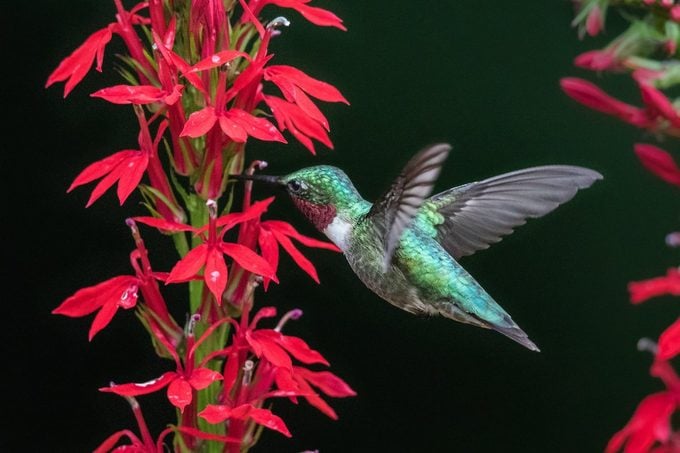
Lobelia cardinalis, Zones 2 to 9
Height: 3 to 4 feet, Width: 1 to 2 feet
Cardinal flower Named after the crimson garments worn by Roman Catholic cardinals, this plant requires mulching to conserve moisture throughout the summer and safeguard its root system from harsh northern winter conditions. It ranks among the premier flowers that attract hummingbirds and is highly recommended for cultivation.
Why we love it: This plant, which deters deer and spreads through both seed dispersal and spontaneous rooting, thrives as a permanent fixture in partially shaded or fully sunny spots with soil that remains adequately wet. The flower stalks emerge blooming from the base upwards and remain in blossom for multiple weeks.
Take a look at the top 10 red hummingbird flowers .
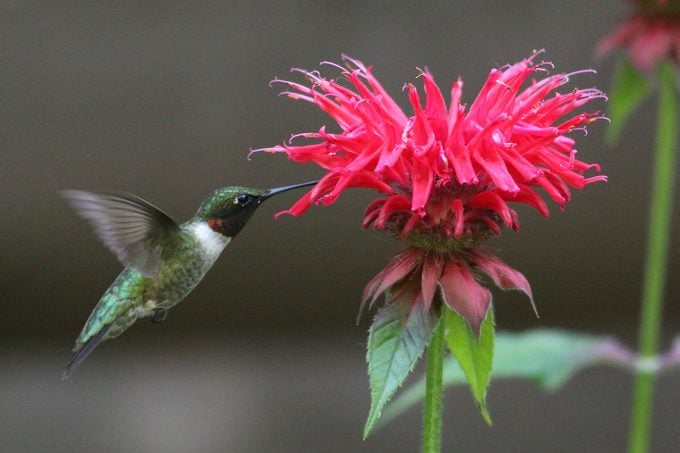
Bee Balm
Monarda Species, Hardiness Zones 4 through 9
Dimensions: 1 to 4 feet in height and width
To definitely entice hummingbirds using flowers, plant bee balm This plant can grow up to 4 feet tall when exposed to full sunlight and begins blooming in midsummer. There are multiple cultivars available for purchase that have resistance against mildew. Regardless of whether you opt for native species or cultivated types, birds are drawn to the sweet nectar produced by these flowers. To prevent powdery mildew, bee balm requires ample sunshine, damp but well-drained soil, and good airflow around it.
Why we love it: Once the tube-like blossoms in shades of pink, red, white, or violet wither away, the spherical seed heads bring additional charm during autumn and winter, potentially spreading through self-seeding.
Check out the top annual flowers that attract hummingbirds . Next, examine the top perennials to cultivate for attracting hummingbirds .
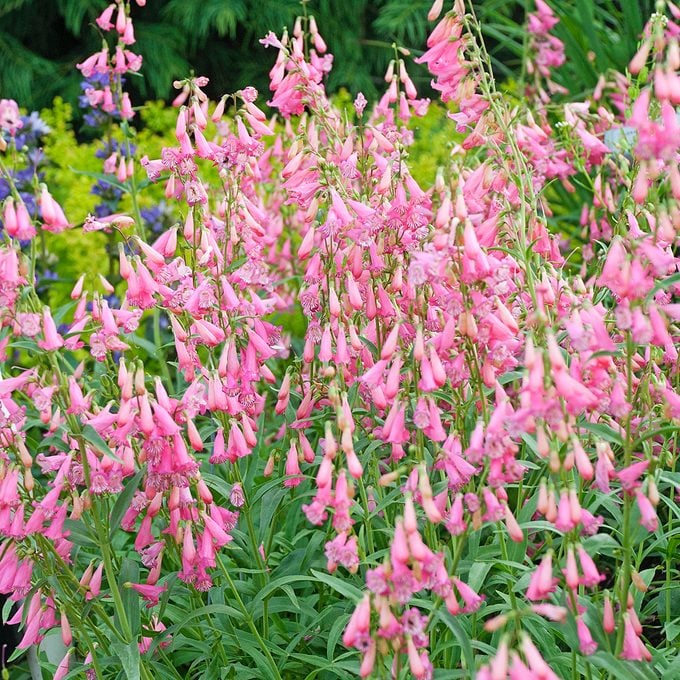
Penstemon
Penstemon species , Zones 3 to 9
Height: 1 to 4 feet
Penstemons North American indigenous plants vary widely in form. It's advisable to opt for species that are local to your region. These hummingbird-friendly blooms require minimal upkeep when planted in sunny spots with well-draining soil; they dislike having their roots constantly damp, particularly during colder months.
Why we love it: The possibilities are almost endless. Select from an extensive array of floral hues such as white, yellow, blue, purple, red, and orange.
Grow these Container-grown blooms and greenery that draw hummingbirds .
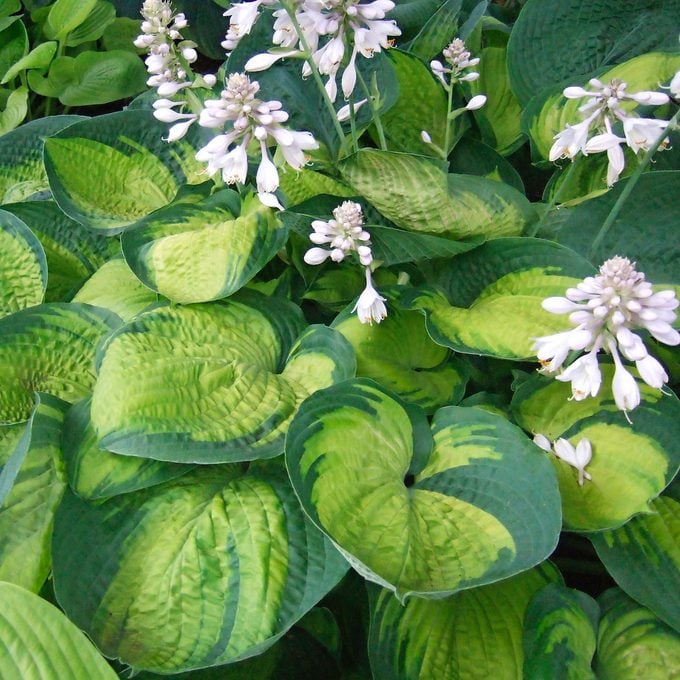
Hosta
Hosta species , Zones 3 to 9
Dimensions: 6 to 30 inches
Even though most hostas are cultivated primarily for their foliage, they also produce flowers that attract hummingbirds. These large, bell-shaped blossoms serve as great nectar sources, ranging from shades of purple to white.
Why we love it: Many people think of hummingbird plants as ideal for sunny spots, yet these tiny visitors prefer something different. a delightful snack in the shadow , too.
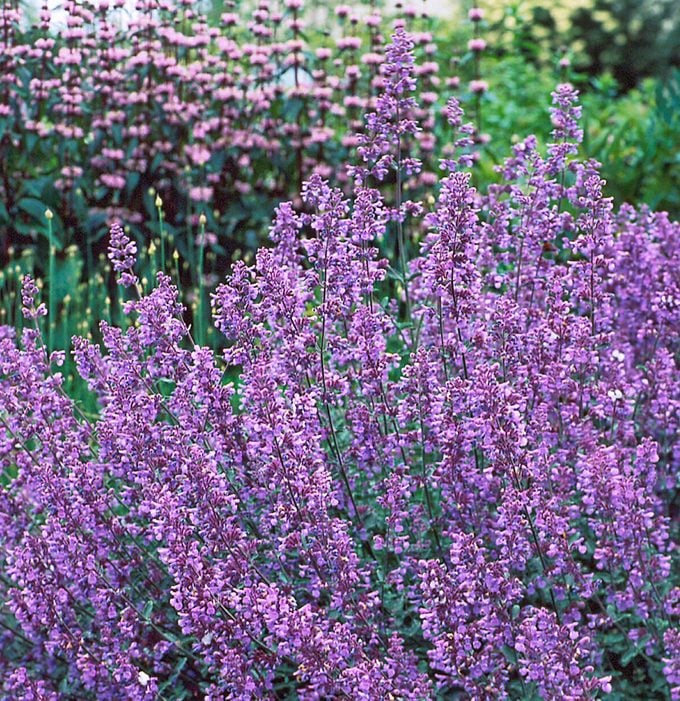
Catmint
Nepeta Species, Hardiness Zones 3 through 9
Height: between 1 foot and 3 feet, typically broader than it is high.
Catmint It is simple to cultivate, offers prolonged blooming periods, withstands high temperatures, and resists both deer and pests. Once the blossoms that attract hummingbirds have faded, trim away the old flowers along with roughly one-third of the stem to encourage another cycle of growth.
Why we love it: Hummingbirds have a particular fondness for the blue flowers of Siberian catmint. Nepeta sibirica ). Keep in mind that this species can be quite a vigorous spreader.
Take a look at the top 10 lavender blooms that entice hummingbirds .
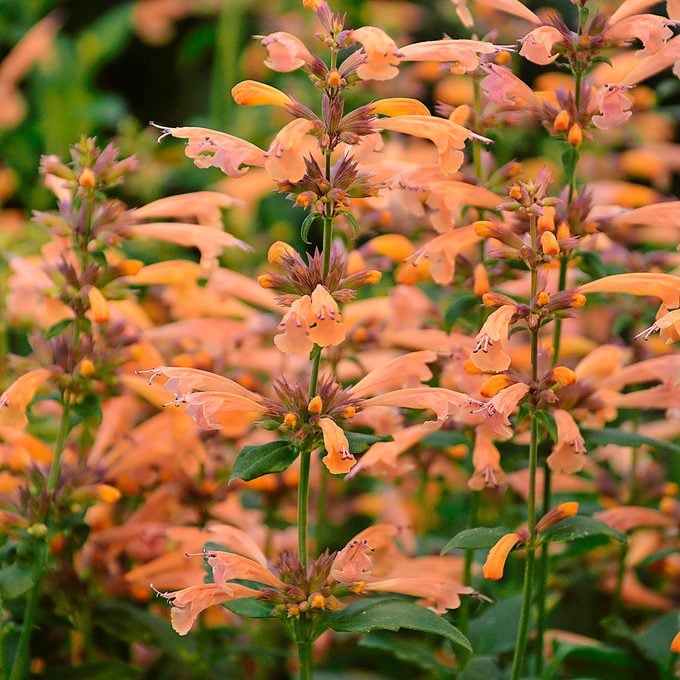
Agastache
Agastache Species, Hardiness Zones 4 through 9
Height: 1 to 5 feet tall
It’s not surprising that one of the Agastache species commonly goes by the name of hummingbird mint That variety thrives in arid areas. Opt for anise hyssop ( Agastache foeniculum In regions with cooler, more humid weather, these delicate flowers shaped like tiny tubes sprout on thin stems and come in various hues and forms. To ensure the well-being of these plants, they require ample sunlight and superior drainage.
Why we love it: Deer and rabbits avoid it.
Discover how to craft the perfect one hummingbird habitat.
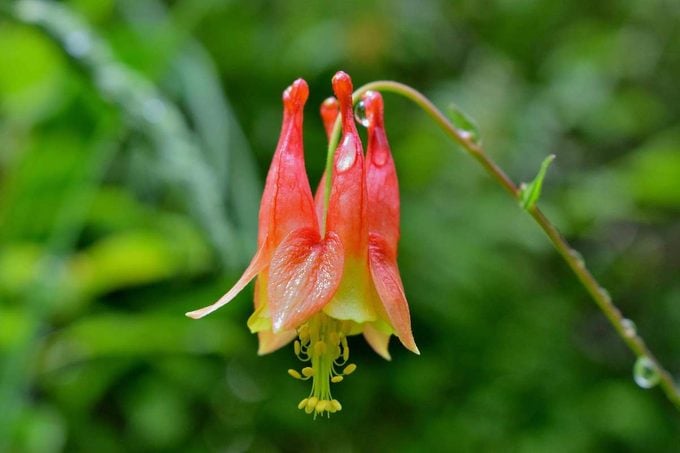
Eastern Red Columbine
Aquilegia canadensis , Areas 3 through 8
Height: 1 to 3 feet, with a width of 1 foot
This low-maintenance perennial thrives in partial to full shade. It self-seeds to replace older specimens, which usually become less vigorous after about three to four years. Its light, open growth pattern enables it to coexist with various other plants.
Why we love it: Certainly, you can locate various cultivated strains of columbine flowers However, the native columbine, featuring its scarlet spurs and vibrant yellow stamens, is a beloved springtime bloom that attracts hummingbirds.
Psst—hummingbirds also love these pink nasturtium flowers .
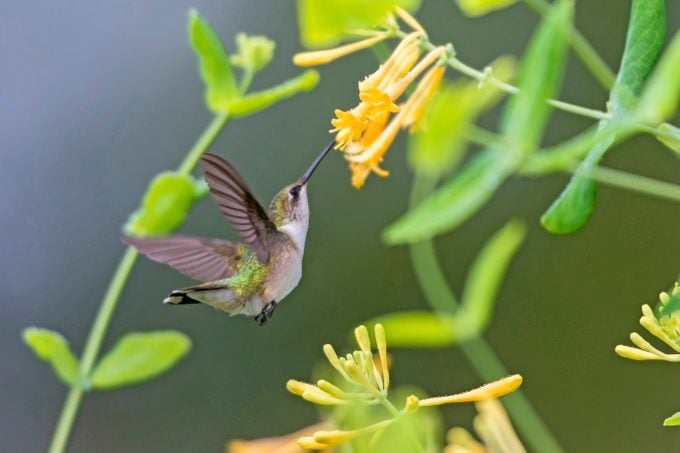
Trumpet Honeysuckle
Lonicera sempervirens, Zones 4 to 10
Length: 10 to 20 feet of vine
Should your garden feature a fence, arbor, or trellis receiving ample sunlight to partial shade, consider planting something vibrant. trumpet honeysuckle Vine. These flowers drive hummingbirds into a frenzy. While we typically avoid recommending honeysuckle due to invasiveness issues, this particular variety stands out as an exception. Native to numerous regions, it attracts these tiny birds throughout the entire summer season with its sweet nectar. This climbing plant can grow up to 12 feet high and performs best when exposed to either full sunlight or partial shade conditions.
Why we love it: Following an abundance of blossoms in early summer, flowers keep appearing intermittently through autumn. You can choose whether to trim them or not.
Hey, did you know that honeysuckle is the June birth flower ?
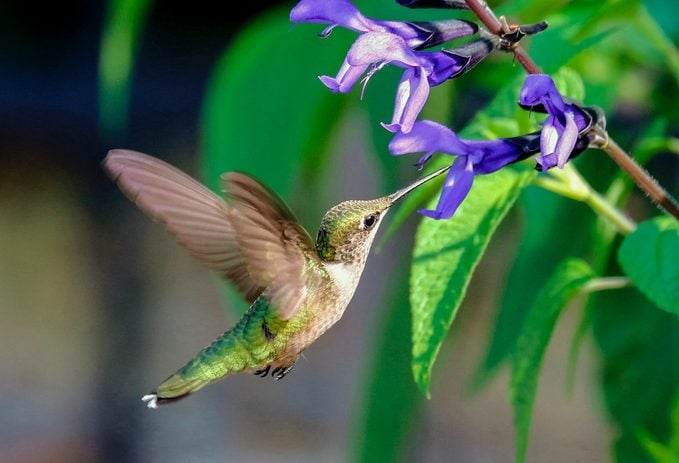
Salvia
Salvia species , converts to transforms from annual to perennial for zones 3 through 10
Height: 1 to 6 feet tall
Pick a salvia, any type of salvia Hummingbirds enjoy all types of these flowers because their tube-shaped blossoms perfectly accommodate their beaks. Salvias thrive when exposed to direct sunlight up to partial shading conditions. While annual salvias are widely favored in gardens, do not overlook the benefits of perennials as well. These plants can grow between 1 to 5 feet high with vibrant hues ranging from purple, indigo, and maroon to vivid reds. Planting them in sunny areas will likely attract butterflies too; consider adding some additional specimens specifically for those winged beauties.
Why we love it: Constantly flowering, particularly during hot, dry weather, salvias offer an extensive range of hues and growth patterns. Numerous garden enthusiasts cultivate these nectar-rich blooms as they serve well in times of summer drought. Remember not to grow salvia for optimal outcomes, use soil with good drainage.
Also grow Mexican bush sage and Playin’ the Blues Salvia for hummingbirds and butterflies.
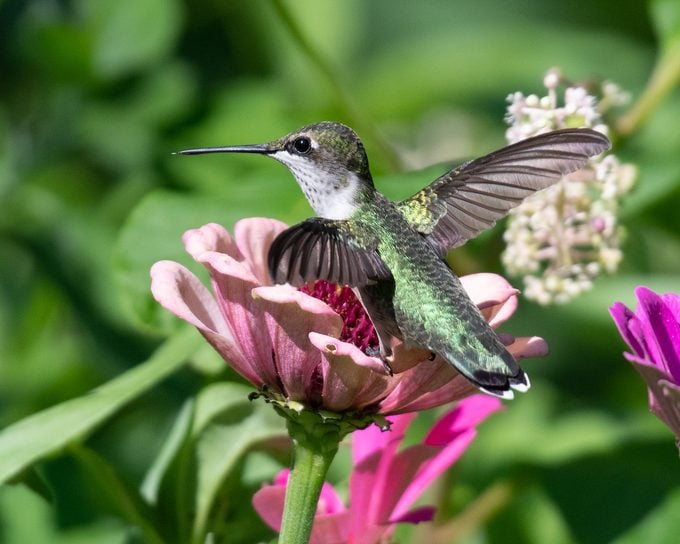
Zinnia
Zinnia elegans, annual
Height: 6 to 48 inches
Humans and hummingbirds like zinnia flowers There are multiple factors for this. These plants are straightforward to cultivate from seeds. Birds feed on the nectar within the center florets, and you can cut the flowers to make indoor arrangements.
Why we love it: With plenty of color options available, selecting green blooms for your vibrant garden can be exciting. Consider going with Queen Lime, Envy, Tequila Lime, or similar chartreuse-hued plants.
Learn how to draw hummingbirds to your balcony .
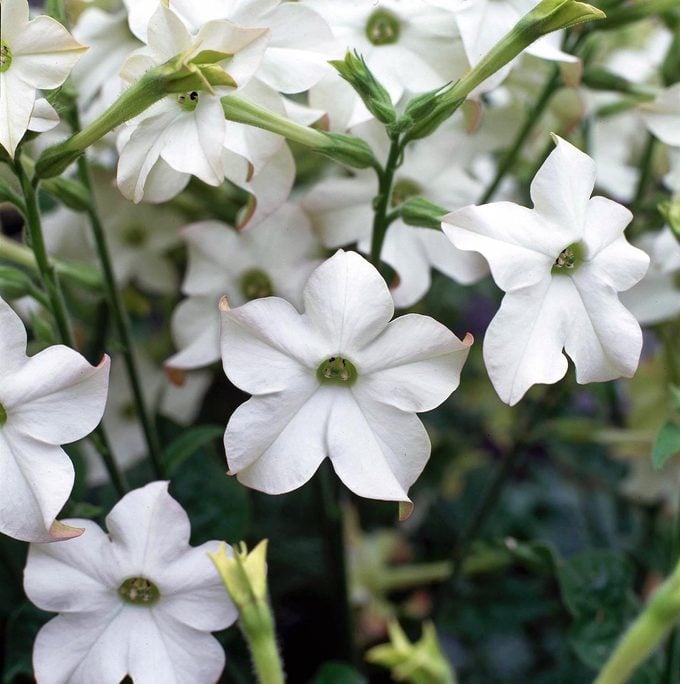
Flowering Tobacco
Nicotiana spp. , annual
Often flying under the radar, this might be one of the best-kept secrets Among the flowers favored by hummingbirds, this one stands out as an annual yet garners repeated planting from garden enthusiasts due to its captivating appeal. It comes in a full range of hues such as pink, white, red, lavender, and green.
Bonus tip: Depending on the variety, this plant is renowned for its scent. If you appreciate flowers with a pleasant aroma during the twilight hours, moon garden , be sure to choose a variety with white flowers.
Discover the types of hummingbirds located in the United States.
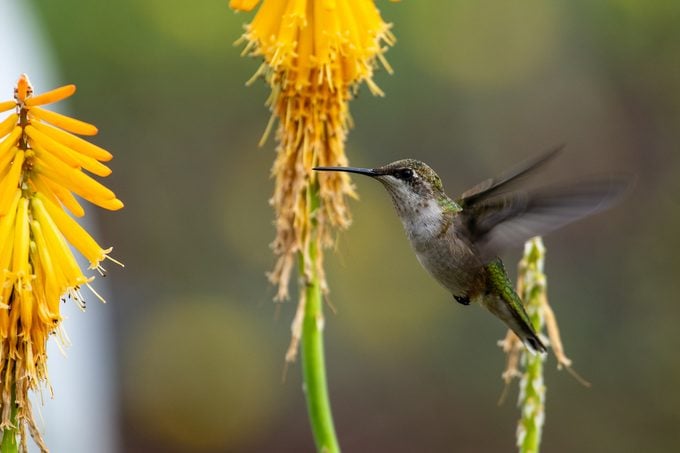
Red Hot Poker
Kniphofia , Areas 5 through 9
Red hot poker One of the most striking and aesthetically pleasing blooms in the garden, these flowers showcase a light yellow hue near the base transitioning into vibrant orange towards the tip. Certain cultivars feature even more intense orange coloring. Reaching heights of up to 4 feet, they are also known for being some of the first to flower during the early summer months.
Bonus tip: You truly want to plant these in soil with good drainage. They tend to rot when placed in waterlogged or even damp soil.
Discover jaw-dropping facts about hummingbirds .
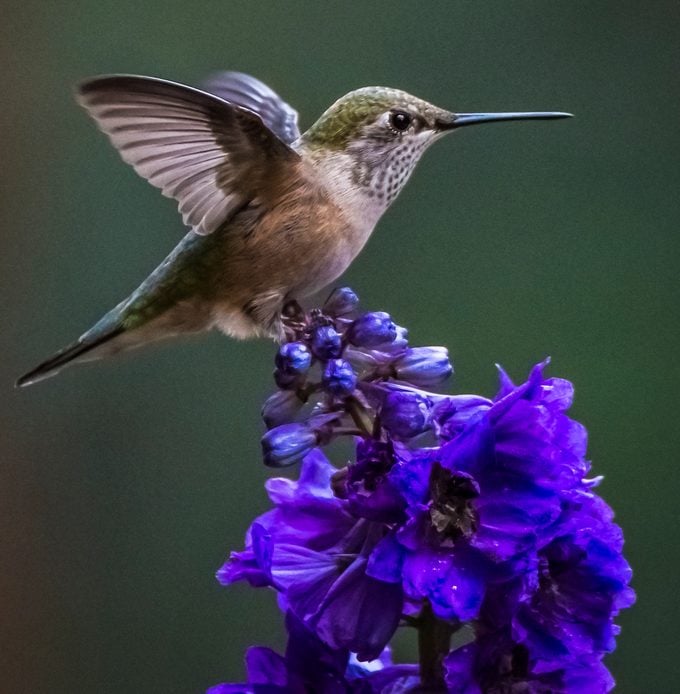
Delphinium
Delphinium Zones 3 through 7
Standing tall, this magnificent plant serves as a striking focal point at the rear of a mixed flower bed, acting either as a vertical highlight or fitting well into a pot. Each stem boasts numerous flowers, providing ample nectar for hummingbirds to enjoy alongside butterflies and various insects.
Bonus tip: Some delphinium Varieties such as Summer Blues have a much more intense blue color compared to others. If you're looking for heat tolerance, consider the Blue Mirror cultivar.
Obtain professional responses to your questions. questions about hummingbird feeders .
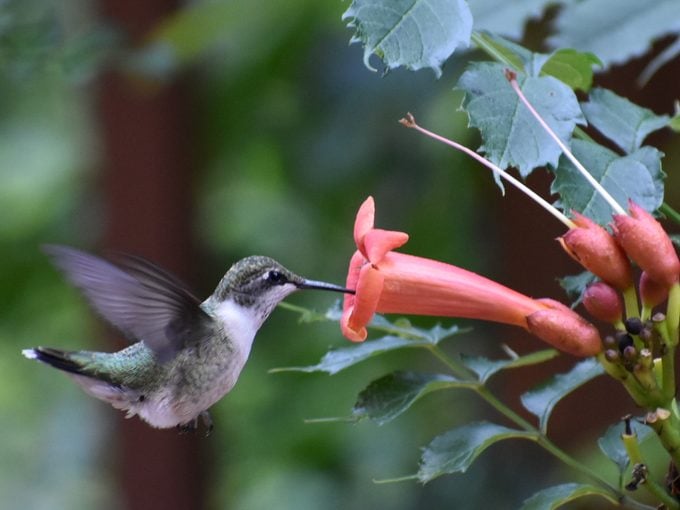
Trumpet Vine
Campsis radicans , Regions 4 through 9
We come across many images of hummingbirds. trumpet vine And there's a valid explanation for that. People adore this sweet beauty! It is a year-round favorite among both butterflies and hummingbirds, reaching heights of up to 40 feet.
Bonus tip: When planting this impressive climber, it’s worth investing in a solid trellis or placing it near a tree, telephone pole, or robust fence. Providing adequate support ensures that this vine will thrive for many years.
Discover the top 10 vines for hummingbirds .
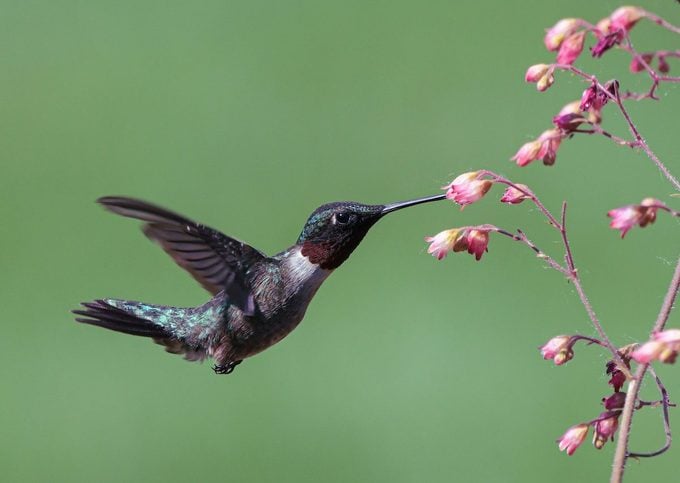
Coral Bells
Heuchera , Areas 3 through 9
Don't dismiss the impact of pink, which is found in numerous flower varieties that we typically consider to have red blooms. Coral bells are appreciated for their leaves and ability to tolerate shade. During late spring, the plant produces appealing, long-lasting spikes of small flowers that attract hummingbirds throughout the entire summer season.
Bonus tip: Take time to get acquainted with the different cultivars , where you'll find many of the garden's most varied and stunning leaf choices. Before you know it, you’ll develop your personal favorites.
Readers’ Favorite Hummingbird Flowers
Firecracker Plant
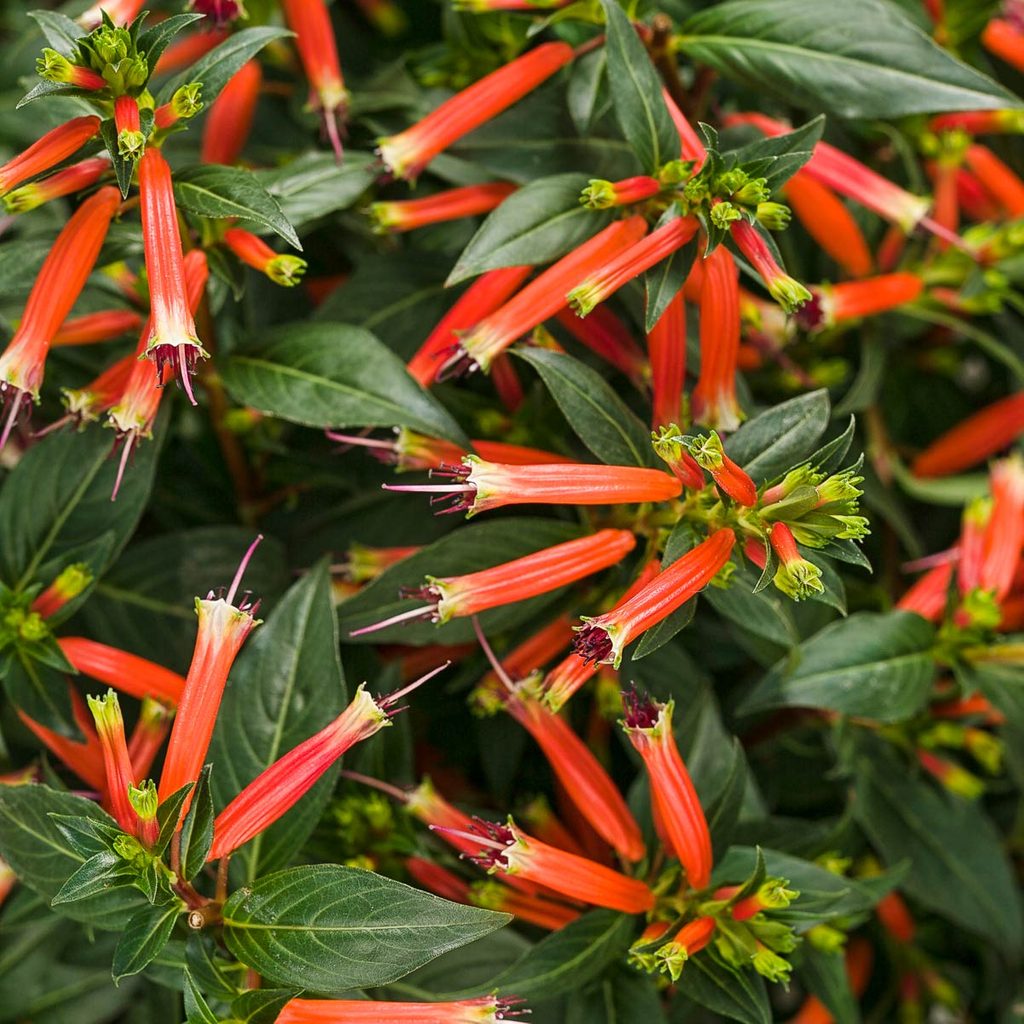
Each year, I put out a sizable pot filled with large items. firecracker plant ( Cuphea ") on my deck. Hummingbirds zip around me at arm’s length throughout the entire summer!" remarks Janet Doherty from Scarborough, Maine.
I had two firecracker plants ( Cuphea ignea ") in pots beside my shed during the past summer. Each time I stepped outside, I noticed two or three ruby-throated hummingbirds. These little creatures would perch on the clothesline close to the shed as well. They were absolutely enamored with those blooms!" explains Susan Michalewicz from Lockport, New York.
Red Canna Lily
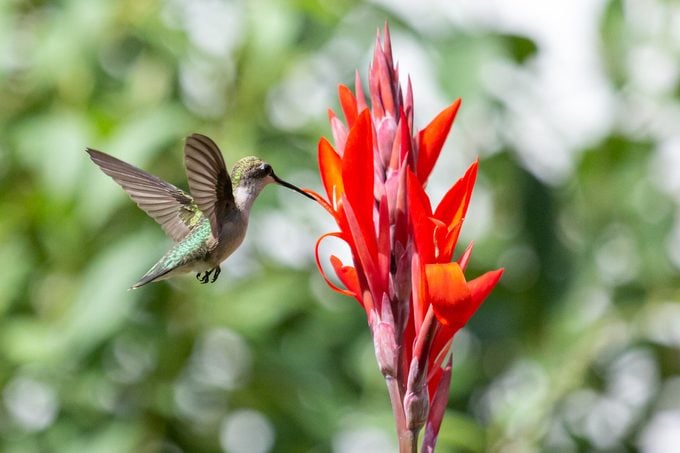
“Almost every time I look at my red canna lilies "There’s a hummingbird right there," remarks Liza Vaughn from Fairfax, Virginia.
Aloe Plant
“My aloe plant Blooms several times throughout the summer, producing impressive 4-foot stems adorned with bell-shaped flowers. Hummingbirds perch on these branches and feed," explains Lorraine Smith from Lake Charles, Louisiana.
Autumn Sage
“My favorite is autumn sage The plentiful flowers thrive best during the spring and autumn seasons. In addition, I cultivate Turk’s cap and coral honeysuckle for the benefit of hummingbirds," explains Kathy Eppers from Aledo, Texas.
Dark Eyes Fuchsia
Our hummingbirds adore the Hot Lips sage and Dark Eyes. fuchsia ," states Andrea Moore from Anacortes, Washington.
Lucifer Crocosmia
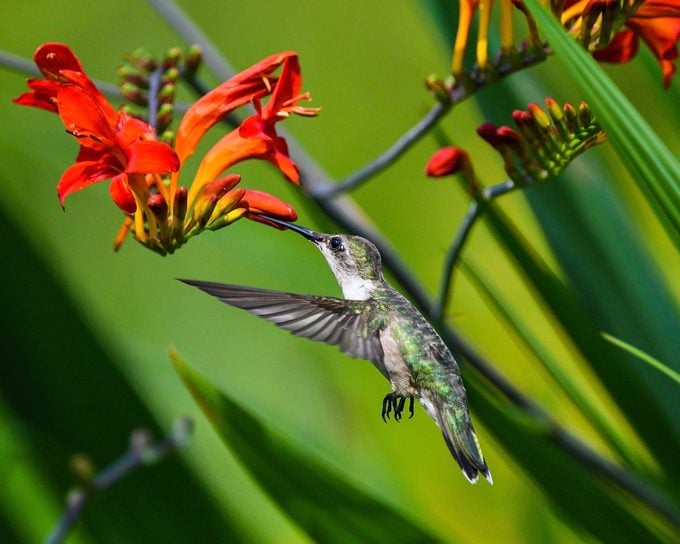
“Hummingbirds love my Lucifer crocosmia And relish it even more than sugar water from a feeder. I adore observing them visiting this evergreen plant season after season!" remarks Jan Hardy from Pittsburgh, Pennsylvania.
Comments
Post a Comment